August 5, 2026
ENABLE project launches to evaluate the enhancement of treatment of HIV in infants by adding monoclonal antibodies
Funded by Global Health EDCTP3 and the European Union, the project brings together 21 partners across Africa, Europe and the United States to improve early HIV treatment outcomes in infants.
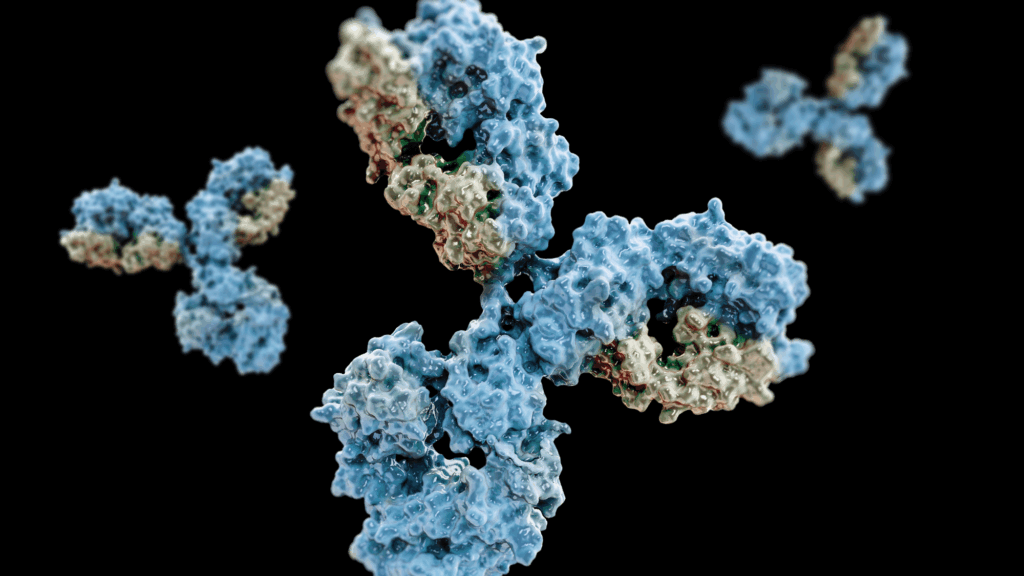
The international research project ENABLE—Early Neutralizing Antibodies in Infants Living with HIV to Enhance their Life—officially launched on 1st of January 2026. Funded by Global Health EDCTP3 and the European Union (GA 101190620), the four-year project brings together 21 leading research institutions from Africa, Europe, and the United States, coordinated by the Servicio Madrileño de Salud (SERMAS, Madrid, Spain) and represented by Hospital Universitario 12 de Octubre.
ENABLE will investigate whether broadly neutralizing antibodies (bnAbs) added to antiretrovirals can help achieve earlier viral control in infants diagnosed with HIV. Despite progress in HIV care, major gaps remain: in sub-Saharan Africa, only about half of infants born with HIV receive early antiretroviral therapy, and more than 10% die within the first year after diagnosis, even when antiretroviral treatment is started early. Viral suppression remains a major challenge, with only 25–50% of infants reaching undetectable viral levels in routine care.
Through the clinical trial led in South Africa, Mozambique, and Cameroon, the project will evaluate whether administering two bnAbs alongside standard antiretroviral therapy can improve viral suppression in infants. The project will also evaluate patients’ markers, especially related to remission/cure biomarkers—such as immune responses, viral reservoir, and biological molecule levels—to identify factors linked to better protection, while also studying how long antibodies stay in the body and what levels are needed for effective treatment. Engagement with communities, caregivers, and healthcare providers will be conducted to assess how acceptable bnAb-based treatments for children would be and to identify factors that could affect their future adoption.
IAVI is pleased to contribute our scientific expertise and provide our bnAb, ePGT121v1LS, for investigation as part of the ENABLE project. ePGT121v1-LS is an engineered version of the antibody PGT121 which was isolated by IAVI and partners from blood samples taken from Protocol G—a cohort study ran by IAVI that collected samples from HIV positive adult participants globally. To pave the way for broad uptake of study results, IAVI will also lead community engagement efforts and leverage our network of 100+ stakeholders via an established task force to advance bnAbs for peri- and post-natal HIV prophylaxis.
The ENABLE consortium held its kick-off meeting on 3–4 February 2026 in Cape Town, marking the start of a collaborative effort to advance innovative treatment strategies for infants living with HIV.