January 29, 2026
Ending neglected diseases requires partners willing to go where markets won’t
~ An IAVI Statement on World Neglected Tropical Diseases (NTDs) Day 2026 ~
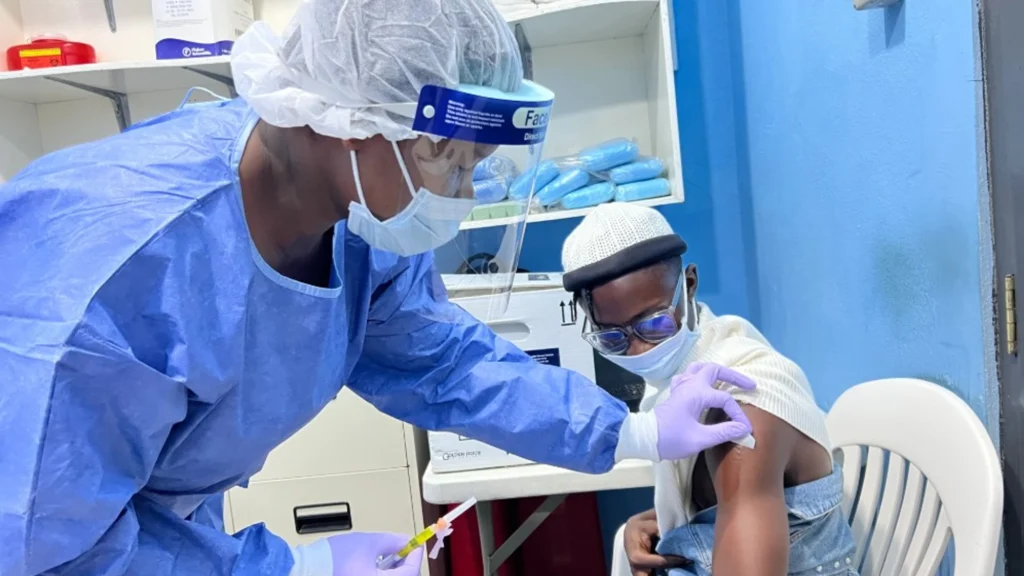
For three decades, IAVI has worked to develop vaccines and antibodies for diseases that lack the commercial incentives to attract private investment, yet these diseases still cause immense suffering and hold back entire communities from realizing their potential.
On this World NTD Day, we stand in solidarity with the researchers, health workers, advocates, and communities working to end the burden of neglected tropical diseases. Their work, often underfunded and underrecognized, remains essential to global health security and human dignity.
The market has long decided that these diseases do not offer sufficient return. But for the hundreds of thousands affected, the cost of inaction is measured in lives lost and opportunities denied. We also recognize that the challenge extends beyond the WHO’s official NTD list. Across the tropics, a broader set of poverty-related and neglected diseases, including emerging infectious diseases like Lassa fever, Marburg virus disease, and Sudan virus disease, share the same neglected profile: they affect impoverished communities, lack market incentive for vaccine development, and have been chronically underfunded while deaths that could be preventable continue. Lassa fever, for instance, causes about 5,000 deaths and $110 million in productivity losses annually in West Africa alone. Climate change and population growth are expanding the threat, with modelling research predicting up to 600 million people could be at risk by 2050. For decades, this disease has silently claimed lives and strained health systems, all while the world looked elsewhere.
IAVI understands this terrain intimately, having started with HIV, a disease that, like many NTDs, disproportionately affects the world’s most vulnerable. The partnerships, scientific platforms, and local research capacity we have built over three decades now extend across tuberculosis and emerging infectious diseases. We have also applied our antibody expertise directly to NTDs, including snakebite. Through the SRPNTS consortium, IAVI scientists worked to identify antibodies that broadly neutralize snake venom toxins, with the aim of developing affordable treatments. This work demonstrated how HIV vaccine science can be translated to address neglected diseases affecting agricultural workers and children across sub-Saharan Africa and South Asia. Today, our Lassa fever vaccine candidate, the most advanced in the world, is in Phase 2 trials across Ghana, Liberia, and Nigeria. We pursue this work because we believe no disease should be neglected simply because those who suffer from it lack purchasing power.
Along the way, we have learned that scientific breakthroughs alone are not enough, as without sustained investment, innovative financing, and political commitment, even the most promising candidates will languish while preventable deaths continue.
This is why we are encouraged by new models of collaboration emerging from the regions most affected, particularly those that demonstrate ownership, with affected countries leading on solutions to their own health challenges and communities becoming stakeholders in the approaches to address them. The Lassa fever vaccine offers a clear example: in September 2025, West African Ministers of Health endorsed a historic communiqué committing to co-finance and collectively advance the candidate through a regional approach.
We believe this model of partnerships driven by regional leadership holds lessons beyond Lassa fever. Africa hosts only 1.1% of clinical trials globally despite carrying a quarter of the global disease burden. Meeting local needs requires local experts setting research priorities informed by local realities. IAVI is investing in African scientists, regulators, and institutions to build capacity that will sustain health security long after any single vaccine is licensed.
In today’s funding landscape, we must reframe how we define return on investment. Funding for vaccine R&D against poverty-related and neglected diseases remains fragmented, too short in duration, and insufficient for late-stage development. To unlock new partnerships and resources, we need to change the narrative of funding global health R&D from being a cost to an investment in health and society.
On this World NTD Day, we call on governments, funders, and the global health community to sustain and expand investment in research and development for diseases the market has overlooked. With the science within reach and partnerships taking shape, we see the collective will emerging to make it happen.
** END **